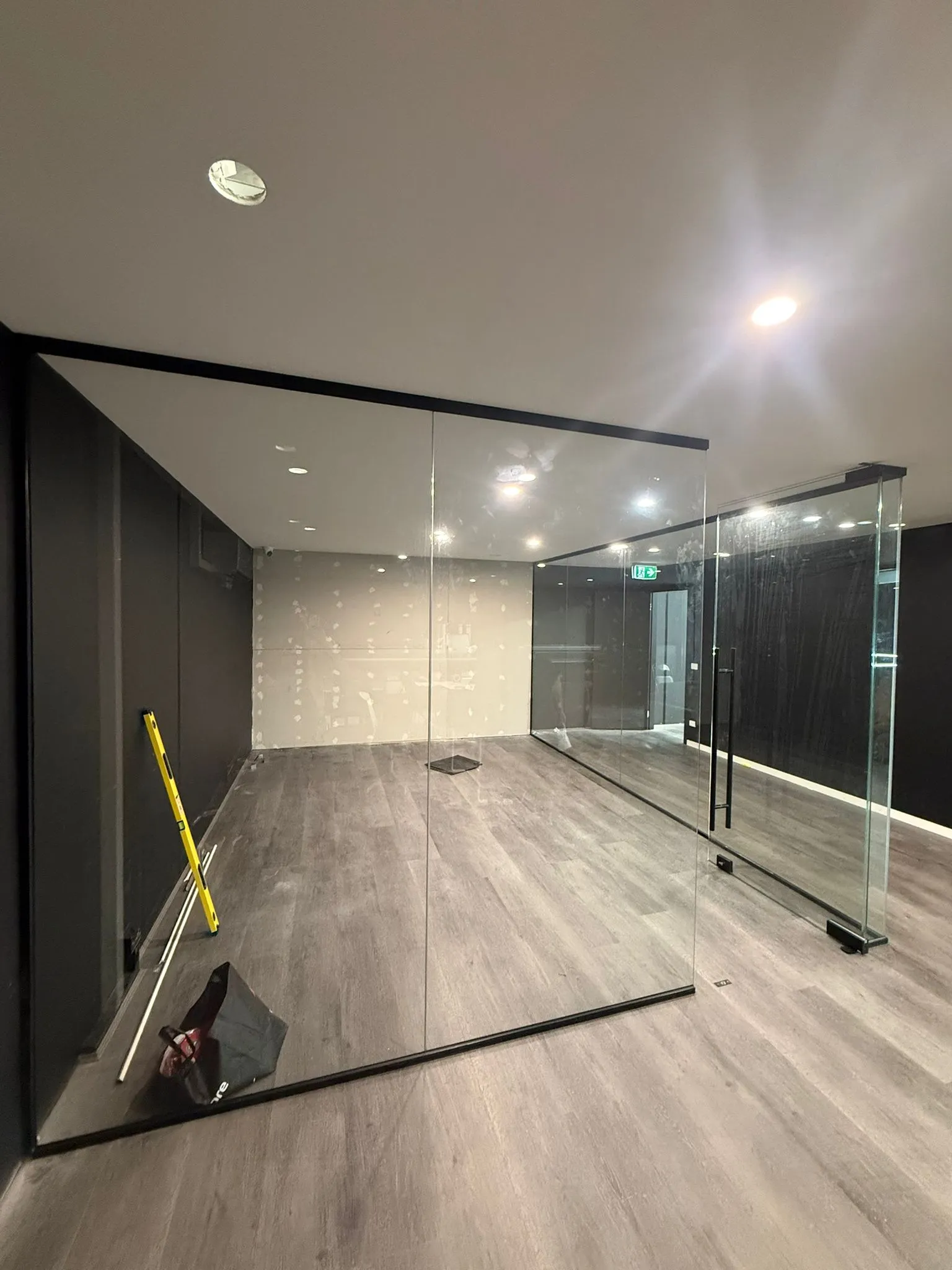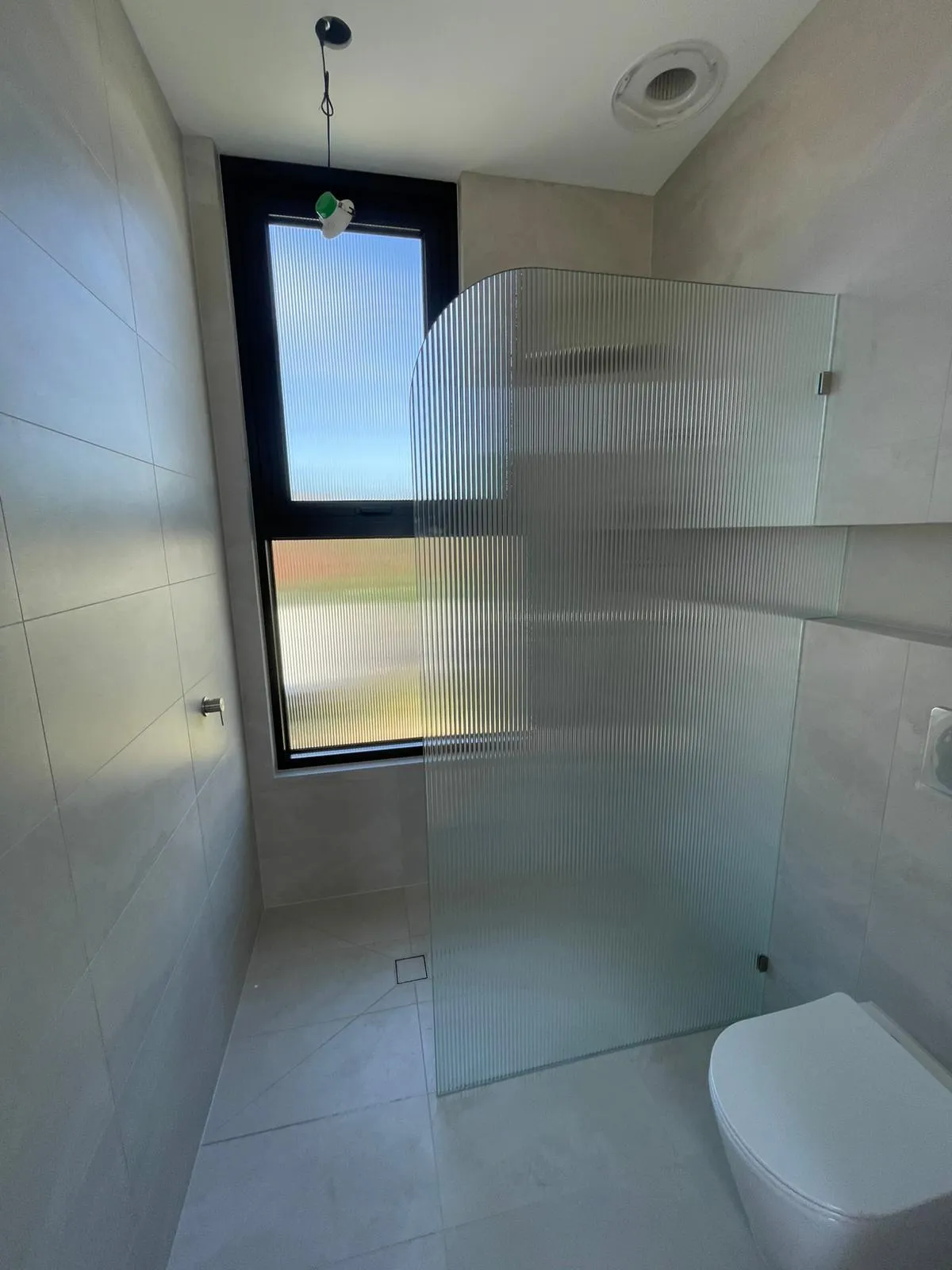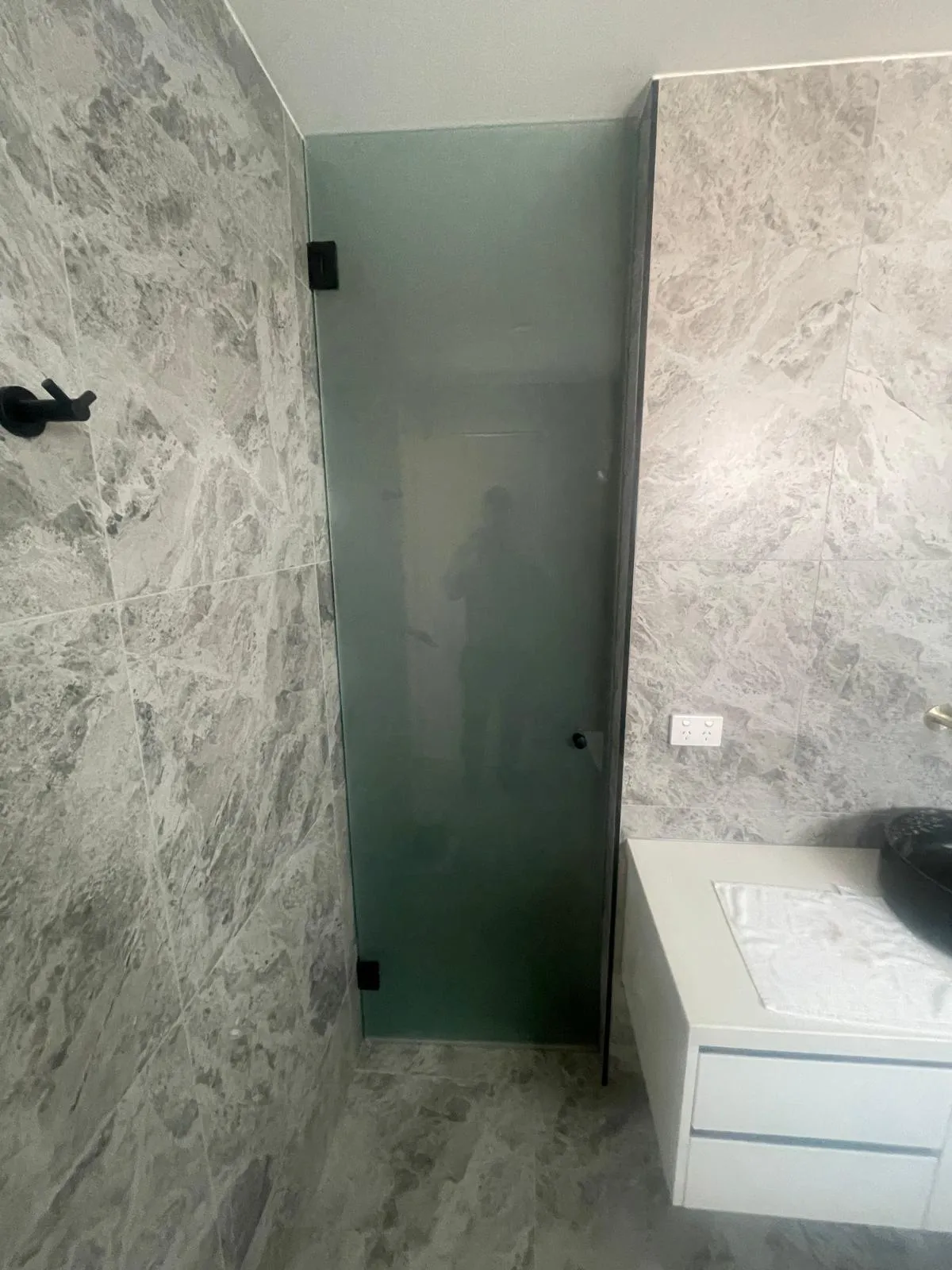
The National Construction Code 2025 edition took effect in Victoria on 1 May 2026. If you are planning a renovation or a new build, it is now the code your glazing is measured against — and for glass and aluminium, it is the most consequential update in years.
The headline most people already know is 7-star. Since May 2024, new Victorian homes have had to reach a 7-star NatHERS energy rating, up from 6. NCC 2025 keeps that bar and tightens the detail around it. The change worth understanding is condensation.
NCC 2025 brings sharper condensation-management and ventilation provisions. In Melbourne — Climate Zone 6 — that matters, because the cold surface in most rooms is the glass. Single-glazed windows in standard aluminium frames run cold enough in winter to pull moisture out of the air, and that water has to go somewhere. The code is now explicit about designing that risk out.
For glazing, the practical consequence is a push toward two things: double-glazed insulated units, and thermally-broken frames. An insulated glass unit keeps the inner pane warmer. A thermally-broken frame puts a polyamide bar between the inside and outside of the aluminium, so the cold does not bridge straight through the metal. Together they lift the whole window assembly out of the condensation-risk zone — and they are, not coincidentally, the reliable path to 7-star.
None of this means every window in a renovation has to be a premium thermally-broken unit. It means the decision should be made with the numbers in front of you. Every window system carries a WERS rating — a tested U-value and Solar Heat Gain Coefficient. The U-value is how much heat the assembly lets through; lower is better. The SHGC is how much solar heat the glass admits; you want it low on a hot west elevation and higher on a cold south one.
A good glazing specification reads those numbers per elevation. North glass can often run a higher SHGC to capture winter sun. West glass usually wants a low SHGC and external shading. Treating every window the same is how projects either overspend or quietly fail the rating.
If you are renovating a heritage or period home, the conversation is narrower but not closed. Where the heritage overlay or the existing frames rule out full replacement, slimline IGUs and internal secondary glazing both lift performance without changing the look from the street.
The short version: NCC 2025 has made glazing performance a specification problem, not an afterthought. Bring it into the design conversation early — at design-development stage, not at lock-up — and the numbers resolve quietly. Leave it late and they tend to resolve expensively.
Written by Jason Ah-Young, Director of Maison Glass & Aluminium. For advice on a specific project, book a consultation.